
Regenerative Biologics
Exosomes
Nano-sized signaling vesicles — the body’s own packets of information, carrying the proteins and genetic instructions that initiate regeneration.
The Science
What are exosomes?
Exosomes are nano-sized, lipid-bound signaling units secreted by virtually every cell in the body — released in response to the surrounding environment in an effort to bring it back into balance.
Non-cellular by nature, they are best understood as “packets of information”: a lipid bilayer membrane enclosing bioactive cargo that rapidly penetrates tissue to deliver its message.
Anatomy
Inside the vesicle
A lipid bilayer membrane protects and delivers a payload of bioactive cargo.
Proteins
The drivers — proteins initiate change.
Messenger RNA
The "ON" switch for regenerative mechanisms.
Micro RNA
The "OFF" switch for catabolic, inflammatory signals.
Bioactive Enzymes
Catalysts that activate local repair pathways.
Immunomodulatory Factors
Re-balance inflammation and immune response.
Growth Factors
Over 300, responsible for wound repair & regeneration.
Mechanism
Two switches, one signal
The genetic cargo inside an exosome works as a precise on/off control system for cellular behavior.
Turns on
Messenger RNA
Switches on the body’s regenerative mechanisms — anti-inflammatory cytokines, angiogenic growth factors, and anti-prostaglandin signals.
Turns off
Micro RNA
Switches off the destructive signals — matrix catabolic enzymes, chronic inflammatory cytokines, and other degradation pathways.
Source Matters
The cell of origin defines the cargo
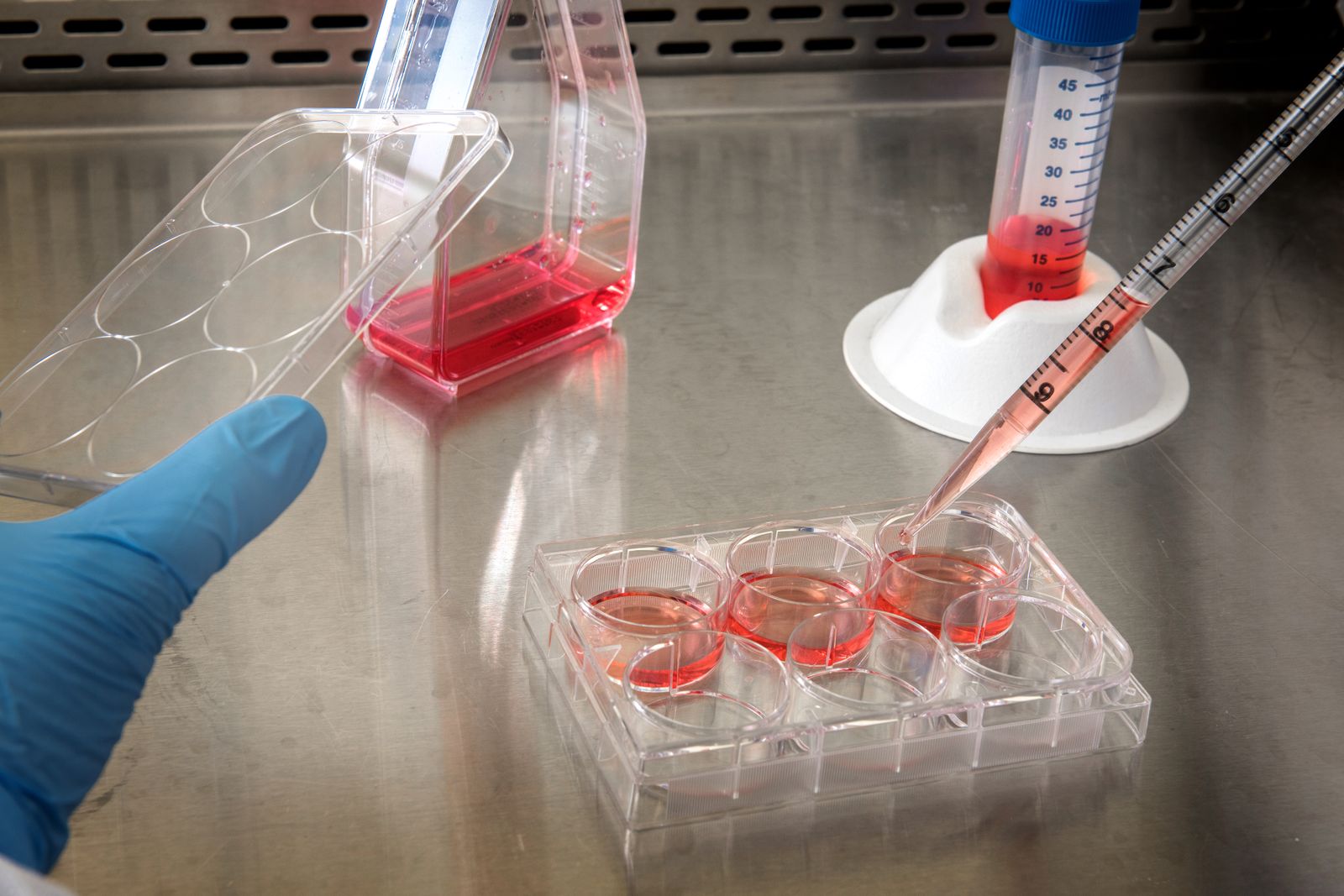
Each cell type secretes an exosome specific to its tissue — heart, liver, lung, kidney, cord, placenta. Because the source determines the message, it is incredibly important to know exactly which cell the exosomes are derived from.
Our focus is on mesenchymal stem cell (MSC) exosomes — prized for their potent regenerative and immunomodulatory signaling.
50–150
Nanometers in size
300+
Growth factors
Non-cellular
Signaling units
MSC
Derived
MSC Exosomes for Aesthetics
Signaling for skin & hair
Rich in growth factors that target the hallmarks of skin aging and tissue repair.
Fibroblast Stimulation
Drives fibroblast proliferation and migration for firmer, healthier skin.
Wound Angiogenesis
Promotes new blood-vessel formation to support healing and renewal.
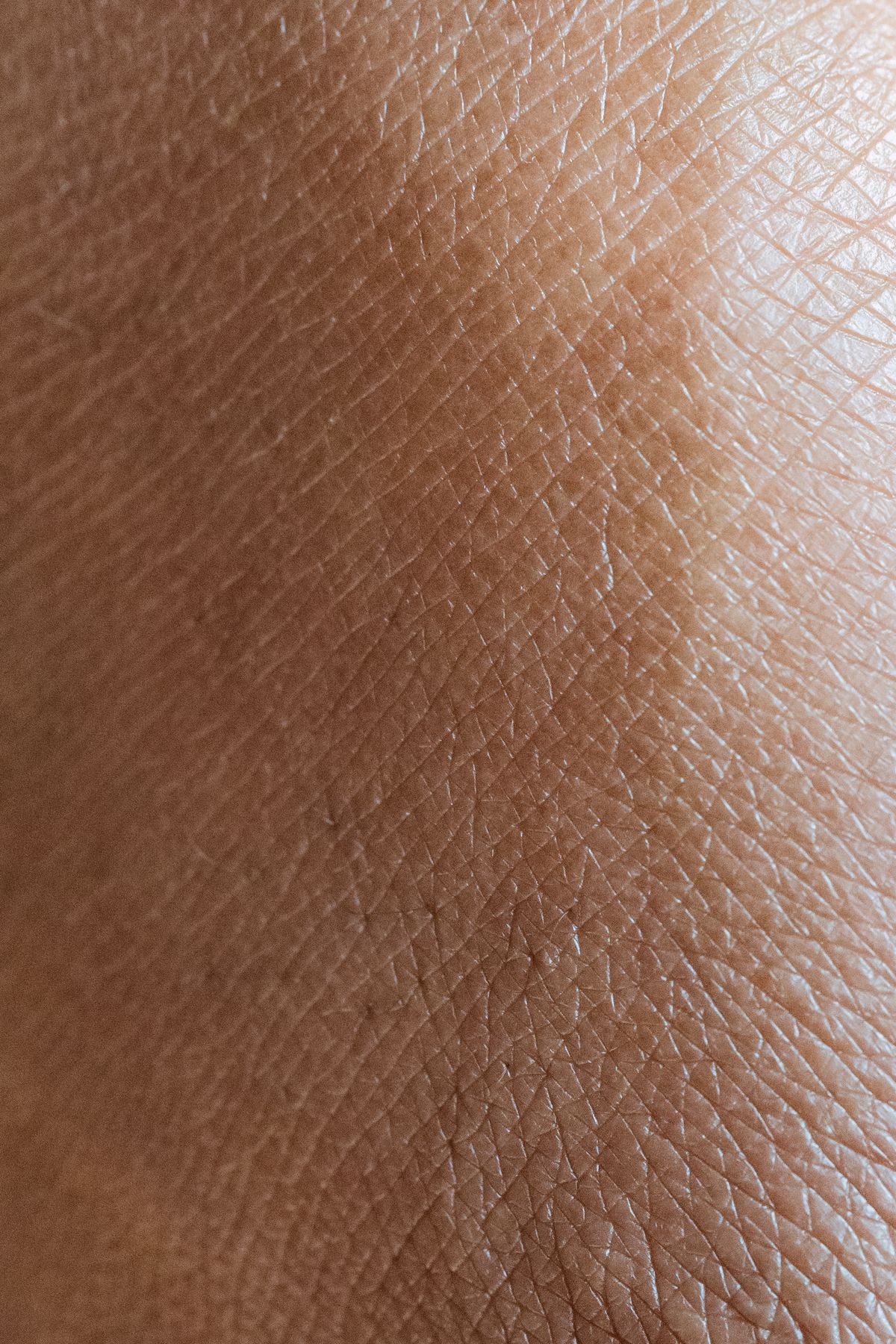
Collagen & ECM
Increases extracellular matrix production and deposition for skin structure.
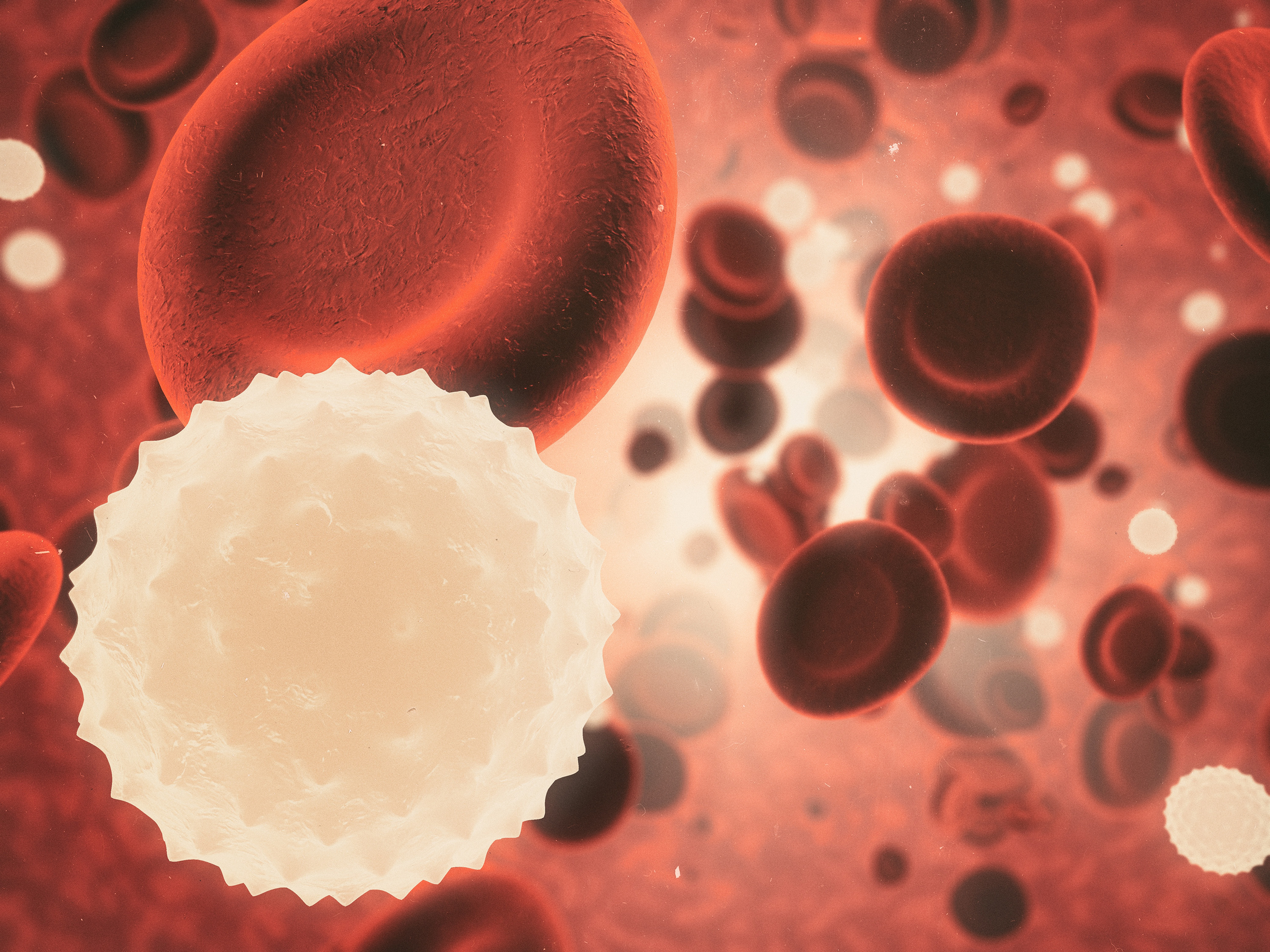
Immune Modulation
Re-balances inflammation and the local immune response.

Hair Follicle Growth
Supports hair follicle growth and dermal papilla cell regeneration.

Dermal Regeneration
A non-invasive, holistic approach to rejuvenation and skin renewal.
Evidence Base
Explore the science behind exosomes