Regenerative Biologics
Allografts
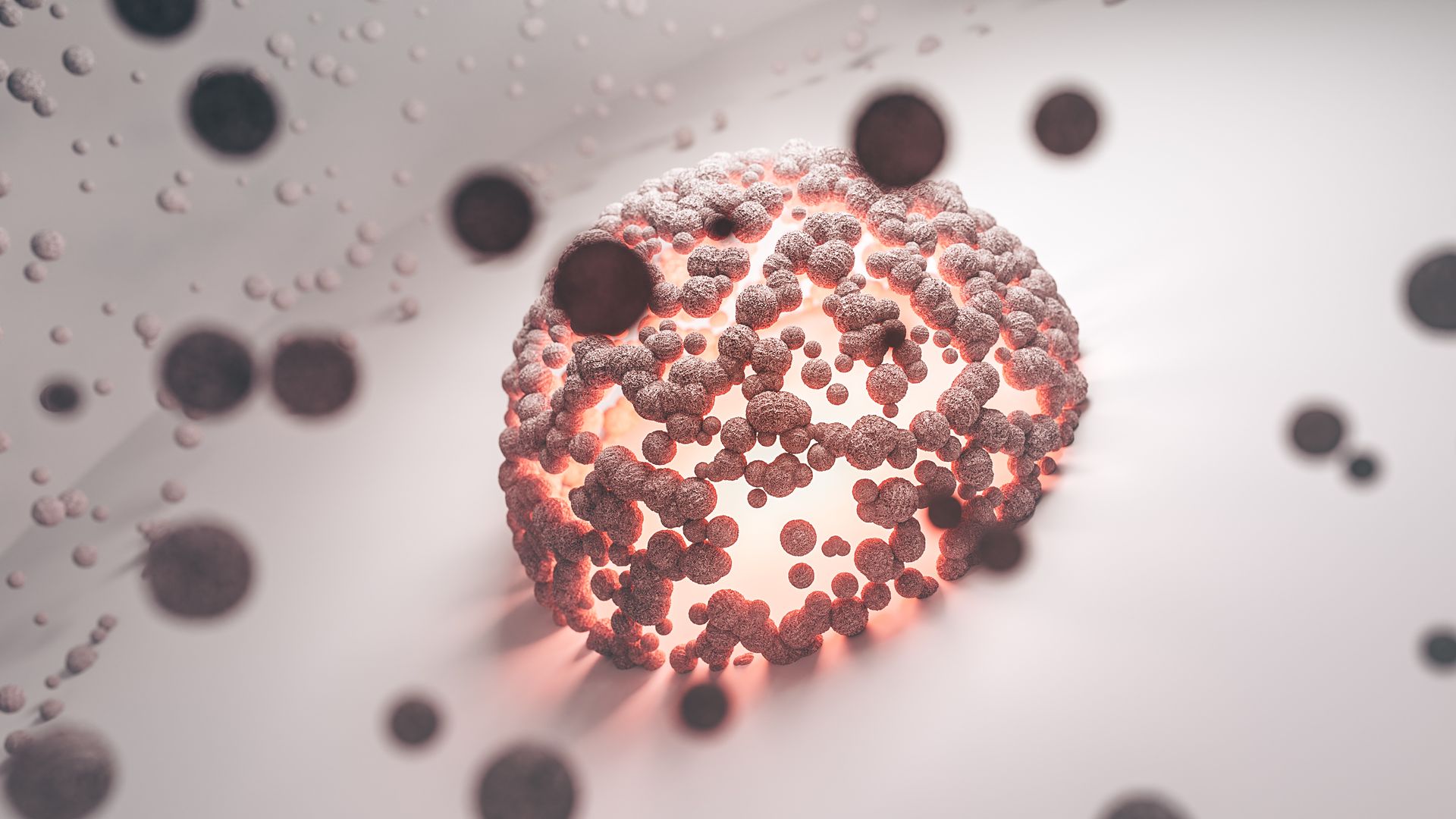
Human umbilical cord and placental-derived tissue allografts — minimally processed to unlock the body’s natural ability to heal, with an uncompromising focus on safety and compliance.
Our Standard
Built on four non-negotiables
Years of experience in regenerative medicine taught us one thing: when working with human umbilical cord and placental-derived products, Safety, Quality, Efficacy, and Compliance aren’t attributes to strive for — they’re essential.
We partner with industry leaders who share a single goal: harnessing the true science of these powerful tissues to unlock the body’s natural ability to heal.

The Portfolio
Two families of allografts
Both derived from the Wharton’s Jelly of the human umbilical cord — one structural, one injectable — to meet a range of clinical needs.
 Form 01
Tissue Allografts
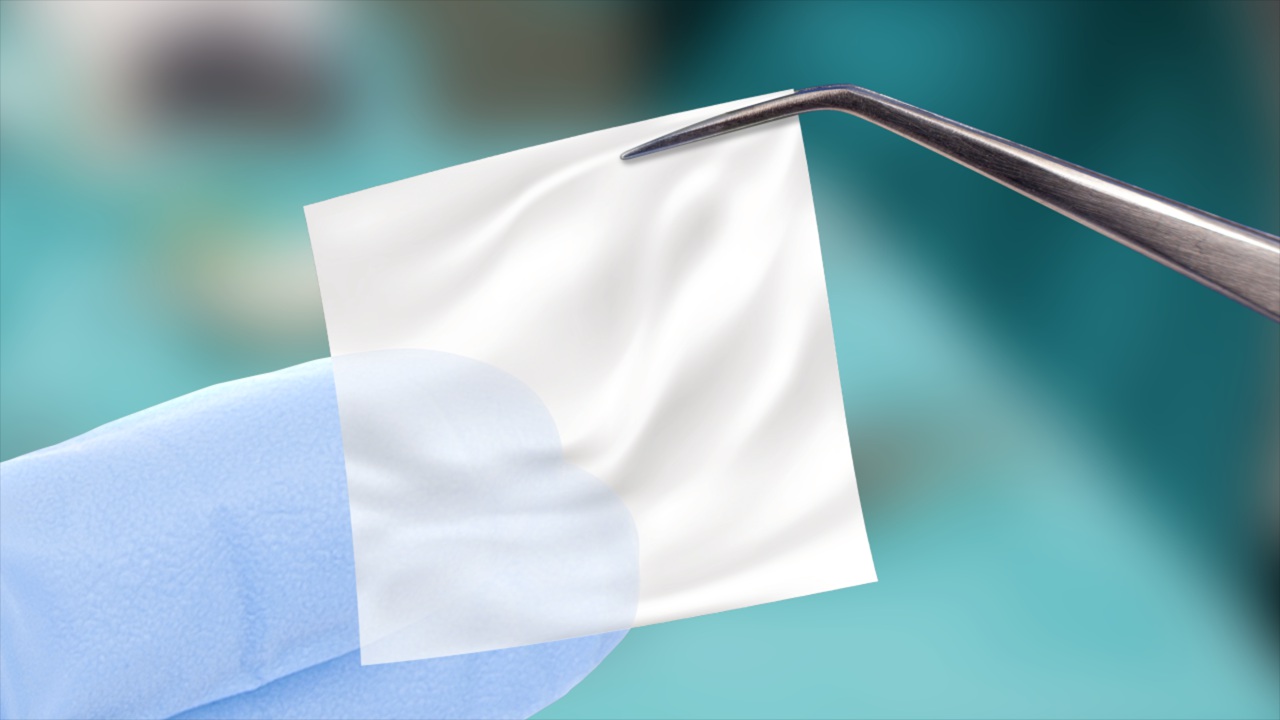
Structural tissue grafts for homologous use — placed directly at the site of a defect to replace or supplement missing or damaged tissue, or used as a protective barrier over the recipient’s tissues.
 Form 02
Gel Allografts
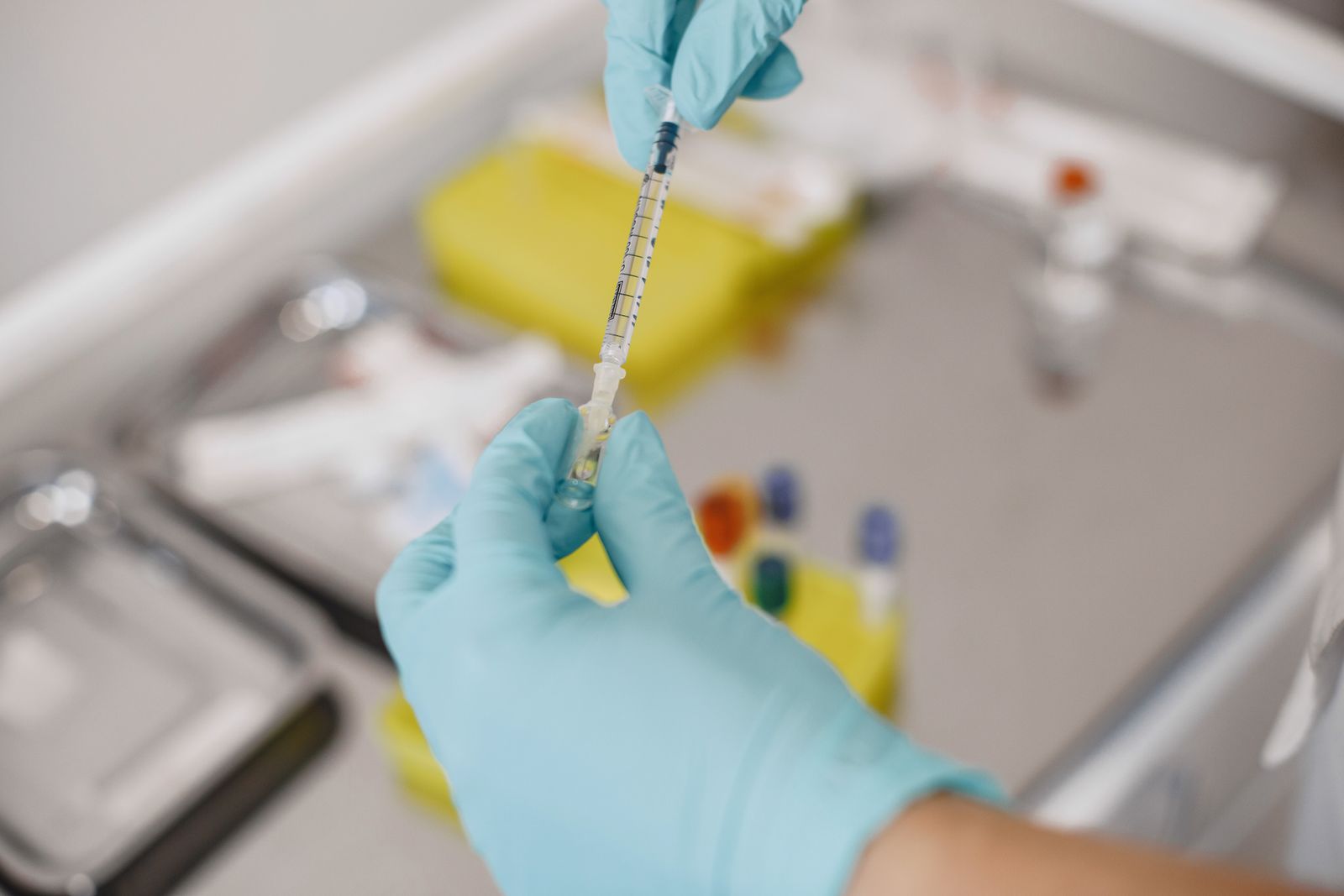
Injectable Wharton’s Jelly that delivers cushioning, lubrication, and structural support — addressing inflammation and promoting a positive immune response within joints and soft tissue.
Tissue Allografts
Structural & barrier forms

Connective Tissue Allograft
Wharton's Jelly
A connective tissue allograft for homologous use, intended to replace or supplement missing or damaged tissue directly at the site of a structural defect. Minimally processed to preserve the structural integrity and original characteristics of the connective tissue.
Protective Barrier Allograft
Amniotic Membrane
A barrier allograft for homologous use to cover and protect the recipient’s tissues. Minimally manipulated to preserve its barrier properties — placed on wound-closure sites after a procedure, or directly onto an open wound.
Gel Allografts
Cushion, lubricate, calm
Sourced from the Wharton’s Jelly of the human umbilical cord, Gel Allografts provide cushioning and lubrication in the body. Injected into an area of concern, they offer structural support, address inflammation, and promote a positive immune response.
Purposed for degenerative joint disorders and soft-tissue injuries involving tissue and joints.
2
Allograft families
Wharton's Jelly
Primary source
Homologous
Intended use
Minimal
Manipulation
Clinical Applications
Where allografts are applied

Joint & Orthopedic
Structural support and cushioning for degenerative joint disorders and joint pain.

Osteoarthritis
Lubrication and anti-inflammatory support for worn, painful joints.

Sports Injuries
Recovery support for the athletic demands placed on tissue and joints.

Inflammatory Conditions
Relief for bursitis, tendonitis, and fasciitis through a positive immune response.
Soft Tissue Injuries
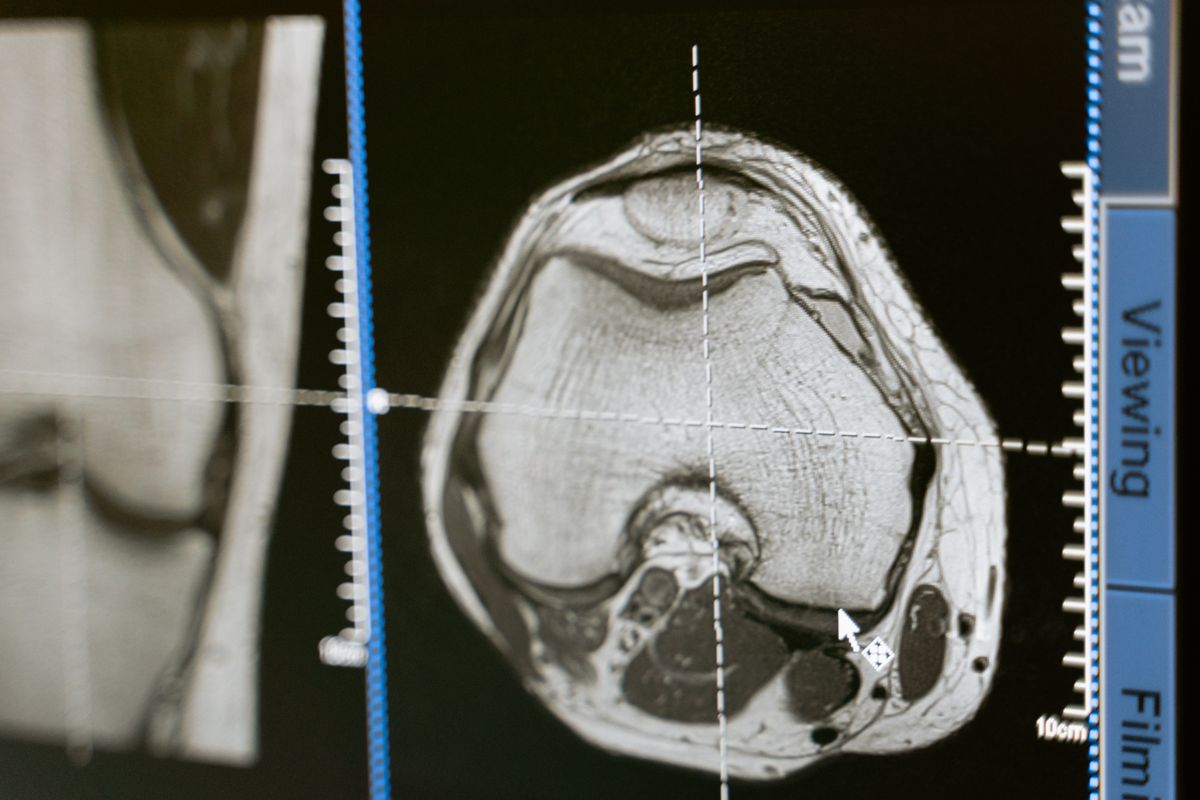
Support for ligament and tendon sprains, meniscus, and muscle tears.
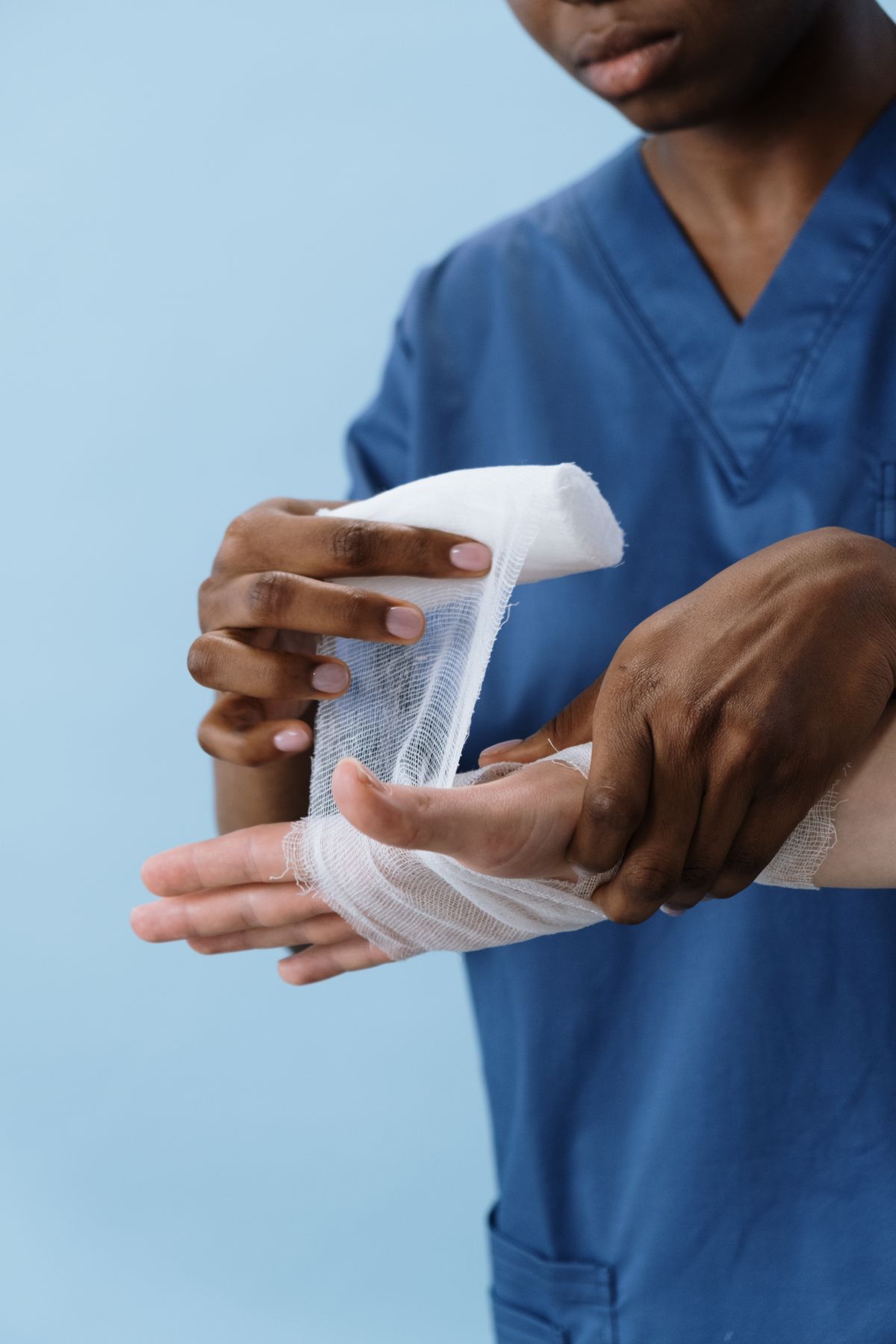
Wound Coverage
Barrier allografts to cover and protect wound-closure sites and open wounds.

Processing & Compliance
Held to a higher standard
Proprietary Processing
Our products are developed using proprietary techniques that improve on previous — and sometimes outdated — industry tissue-processing standards.
Minimal Manipulation
Tissues are minimally processed to preserve their structural integrity and the original characteristics relevant to their intended use.
Rigorously Compliant
We pursue the industry’s ultimate goal: products that are not only safe and efficacious, but also rigorously compliant.
Evidence Base
Explore the science behind allografts